


AI & Automation

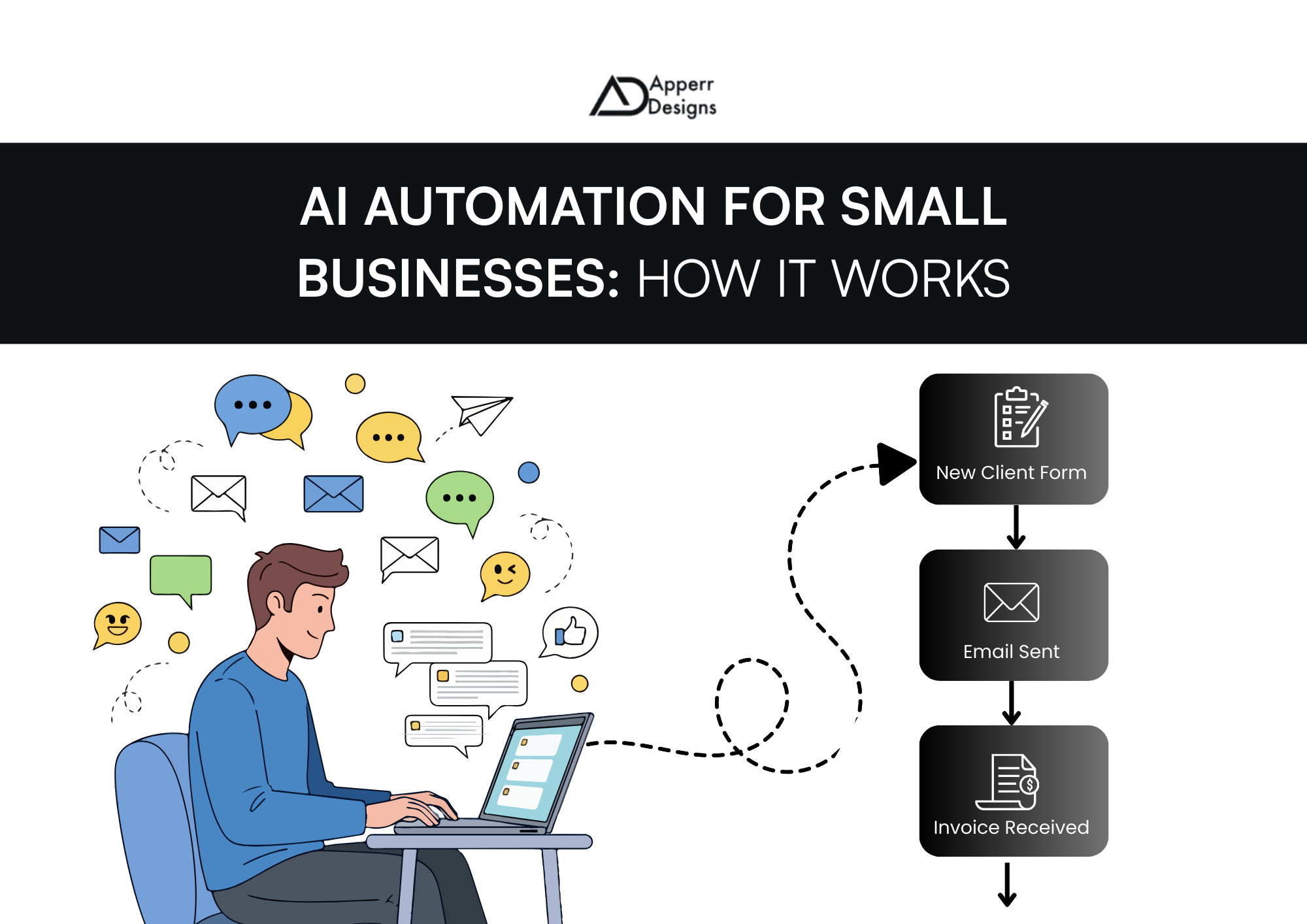

In today’s fast-paced digital world, small businesses are constantly seeking ways to compete with larger enterprises. One of the most transformative tools for leveling the playing field is AI automation for small businesses.
From automating marketing campaigns to streamlining customer service and inventory management, AI is no longer a luxury—it’s a necessity.
Implementing AI for small businesses allows business owners to save time, reduce costs, and focus on strategic growth. Whether you’re just getting started or looking to expand your operations, understanding AI automation for business is crucial for success.
For those who want to learn more or connect with a community of like-minded entrepreneurs, consider joining the Apperr Skool community, where AI automation tips, resources, discussions, and free templates are available to help you implement automation quickly.
AI automation for small businesses refers to the use of artificial intelligence software to perform tasks that traditionally required manual effort. This includes repetitive processes like data entry, customer support, social media posting, email campaigns, and even decision-making.
AI solutions for small businesses are designed to make workflows smarter, faster, and more efficient. Popular applications include:
According to Forbes, small businesses using AI see measurable improvements in efficiency, customer satisfaction, and profitability. It is said that AI helps small firms automate repetitive tasks such as customer engagement, inventory forecasting, and data-driven decision-making, allowing owners to focus on strategic growth while accomplishing more with fewer resources (Forbes, 2025).
It is also reported that AI adoption can lead to significant productivity gains and cost savings, with personalized AI-driven customer service improving retention by handling routine interactions around the clock (Forbes, 2023).
Additionally, according to HubSpot, AI-powered workflows have been shown to increase lead generation by up to 80% and enhance sales productivity, demonstrating that AI for small businesses not only streamlines operations but also drives revenue and improves customer experiences (HubSpot).
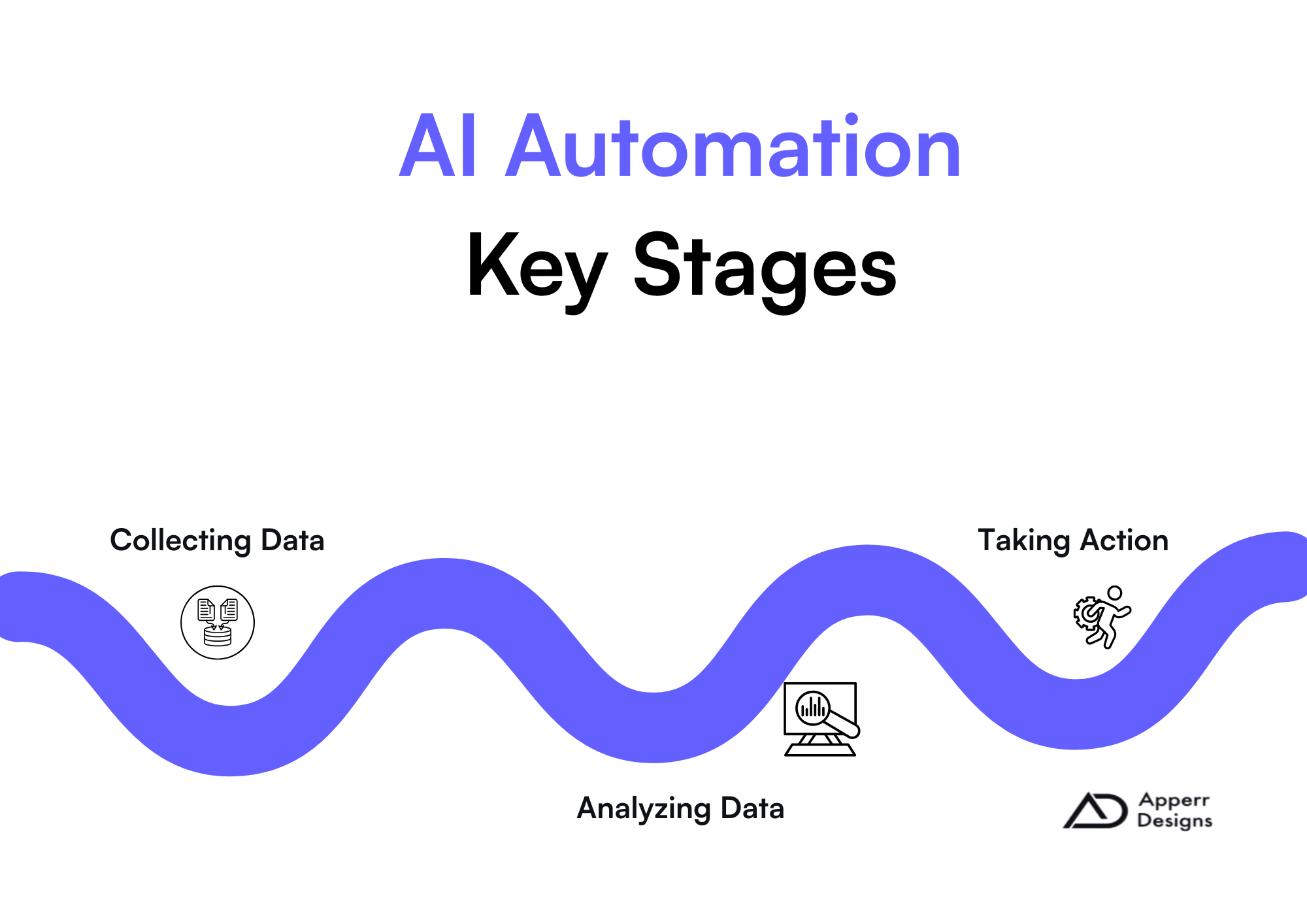
At its core, AI automation for business involves three main steps, each designed to make processes faster, smarter, and more efficient.
1. Data Collection:
AI systems first gather information from multiple business channels. This could include sales transactions, customer feedback, website traffic data, social media interactions, and even inventory levels. By collecting data from these various sources, AI creates a comprehensive picture of how a business is performing and how customers are engaging with products or services. For example, a small online store could use AI to track which products are most popular, what times of day customers make purchases, and which marketing campaigns drive the most clicks.
2. Data Analysis:
Once data is collected, AI uses machine learning and advanced algorithms to process and interpret it. The system identifies patterns, trends, and insights that might not be obvious to human analysts. For instance, AI can recognize that a particular type of customer responds better to certain email offers or that sales dip during specific months. This analysis goes beyond simple reporting. AI can predict future behaviors, detect inefficiencies, and even flag potential problems before they occur.
3. Action:
After analyzing the data, AI either takes action directly or provides recommendations for decision-making. This could include automating routine tasks, such as sending personalized email campaigns, managing social media posts, updating inventory, or even responding to customer inquiries through chatbots. For example, AI software can automatically segment email subscribers based on their behavior and interests, sending highly targeted messages without any manual input. Similarly, AI can monitor social media mentions of a brand, analyze sentiment, and generate engagement reports to inform marketing strategies.
By integrating AI automation into small business operations, entrepreneurs can save time, reduce errors, and make smarter, data-driven decisions. Not only does this boost efficiency, but it also allows business owners to focus on growth, strategy, and building stronger relationships with their customers. Ultimately, AI becomes a powerful tool that enhances productivity, improves customer experiences, and increases overall ROI.
Understanding the types of AI systems is essential for selecting the right tools for your small business. Common AI types include:
These AI systems respond to specific inputs without memory. For example, chatbots that answer frequently asked questions.
These systems can learn from historical data to improve decisions, like predictive analytics tools.
Still emerging, this AI type can understand emotions and adapt interactions, useful for advanced customer service solutions.
The most advanced form, capable of human-like reasoning, is currently used in research and experimental applications.
AI software for small businesses can be categorized as:
These tools represent some of the best AI tools for small businesses, helping owners reduce manual labor and increase operational efficiency.
For small business owners who are new to AI, getting started can feel overwhelming. The good news is that you don’t have to implement everything at once. By taking a step-by-step approach, you can gradually harness AI to save time, reduce errors, and grow your business.
1. Identify Repetitive Tasks:
Begin by looking at tasks that are repetitive, time-consuming, or prone to human error. Common examples include sending emails to customers, posting on social media, tracking inventory, processing invoices, or managing customer support. Automating these tasks frees up your time so you can focus on strategic activities that grow your business.
2. Choose the Right Tools:
Not all AI solutions are created equal. Select tools that align with your business goals and are easy to integrate into your existing workflows. For instance, an AI email marketing platform can automatically segment your subscribers and send personalized campaigns, while AI chatbots can handle common customer queries on your website. Research and trial a few options to find what works best for your business size and needs.
3. Start Small:
Rather than automating everything at once, begin with a single process. For example, you could start by automating your weekly social media posts or email newsletters. This allows you to measure results, troubleshoot issues, and gain confidence in using AI before expanding to other areas.
4. Track Results:
Use analytics to monitor the performance of your AI automation. Check metrics like email open rates, social media engagement, sales conversions, or customer response times. Analyzing these results helps you optimize workflows and ensures that your AI is delivering real value to your business.
5. Scale Gradually:
Once you see positive results, expand AI automation to other processes. You might automate customer support responses, inventory alerts, or even predictive sales recommendations. Gradual scaling ensures you maintain control and continue improving efficiency without overwhelming your team.
For ongoing support, Apperr Skool Community offers tutorials, software recommendations, and actionable strategies tailored specifically for small businesses. Whether you’re just starting out or looking to scale your automation efforts, the community provides guidance every step of the way.

AI for small businesses isn’t just about saving time.
It’s a powerful tool for driving revenue and growth. By leveraging AI strategically, entrepreneurs can not only streamline operations but also increase sales, improve customer experience, and make smarter business decisions.
1. Marketing Automation:
AI-driven marketing tools can segment your audience based on behavior, preferences, and past interactions. This allows businesses to send personalized campaigns that resonate with each customer. For example, an AI email platform can send birthday discounts to loyal customers or re-engagement emails to inactive subscribers. AI can also optimize ad spend by automatically adjusting campaigns based on performance data, ensuring you get the most return for every dollar spent.
2. Customer Service:
AI-powered chatbots and virtual assistants can respond to customer inquiries instantly, 24/7. This reduces response times, improves customer satisfaction, and frees up your team to focus on more complex issues. For example, a small online store can use a chatbot to answer common questions about shipping, returns, or product availability by improving the customer experience while boosting conversions.
3. Sales Forecasting:
AI can analyze historical sales data, seasonal trends, and market conditions to predict future demand. This enables small businesses to make smarter inventory and pricing decisions, reducing waste and ensuring that popular products are always in stock. By anticipating trends, entrepreneurs can seize opportunities, avoid losses, and maximize profitability.
4. Content Creation:
Creating content consistently can be time-consuming, but AI-powered platforms like Jasper or Writesonic can help generate high-quality blogs, social media posts, email campaigns, and product descriptions quickly. This allows businesses to maintain an active online presence, engage their audience, and attract new customers without spending hours writing content manually.
By integrating AI automation into these areas, small business owners can focus on growth strategies, innovation, and building stronger customer relationships, while the AI handles repetitive and time-consuming tasks. Ultimately, using AI not only makes businesses more efficient, It directly contributes to revenue generation and long-term success.
Many entrepreneurs are monetizing AI by starting their own AI automation agencies. Steps include:
This approach allows you to combine technical skills and business acumen, creating a profitable AI-focused venture.
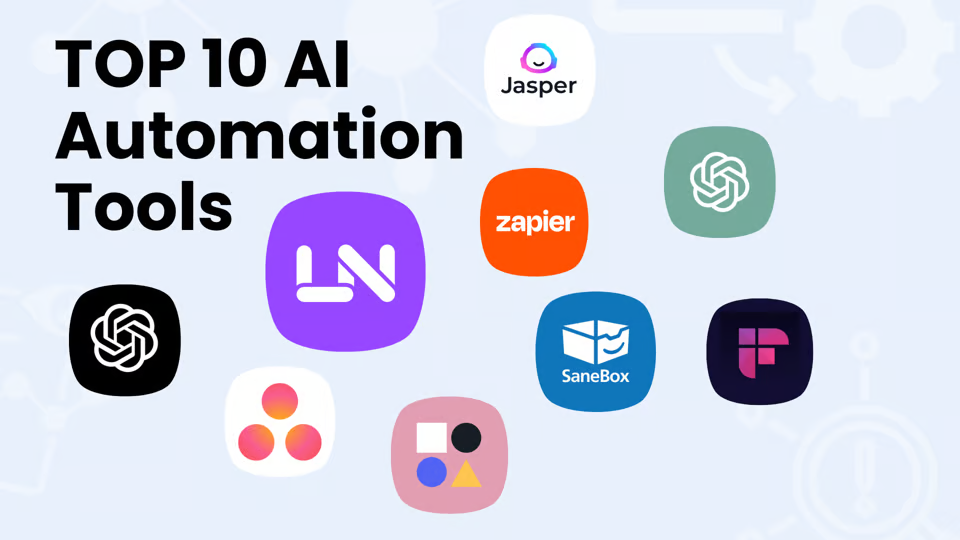
Popular AI models for small businesses include:
Trending tools include Jasper AI, ChatGPT,n8n, and Make (Integromat) are recognized as some of the best AI tools for small businesses by authoritative sources like TechCrunch and Entrepreneur.
Joining a community like Apperr Skool Community offers several advantages:
Being part of this community accelerates learning, provides practical resources, and ensures you stay updated on the latest AI trends. These free templates are particularly valuable for small businesses just starting with AI automation for small businesses, allowing you to automate processes without starting from scratch.
1. Which AI automation tool is best?
Top AI automation tools include n8n, Make, Jasper AI, and ChatGPT, depending on your business needs.
2. What is the best AI tool for business owners?
For marketing and workflow automation, Jasper AI and n8n are highly recommended.
3. What are the 4 types of AI systems?
Reactive Machines, Limited Memory, Theory of Mind, and Self-Aware AI.
4. How to use AI automation to make money?
Automate marketing, customer service, and data analytics to save time and increase revenue.
5. How can I automate my business using AI?
Identify repetitive tasks, select AI software, implement workflows, and track performance.
6. How does a small business use AI?
Small businesses use AI for marketing, sales forecasting, customer support, and operational efficiency.
7. How does AI automation work?
AI collects and analyzes data, identifies patterns, and performs tasks automatically.
8. Can small businesses use AI?
Yes! AI solutions for small businesses are affordable and scalable, ideal for any business size.
9. Which AI does Elon Musk use?
Elon Musk has invested in AI platforms like OpenAI and promotes AI for automation and innovation.
10. Which automation is trending now?
Marketing automation, AI chatbots, predictive analytics, and workflow automation are trending.
AI automation for small businesses is no longer optional—it’s a strategic advantage.
By leveraging AI for small businesses, entrepreneurs can optimize operations, improve marketing, and increase revenue without expanding staff.
Whether you’re a beginner or ready to start an AI automation agency, there are tools, communities, and resources to support your journey.
To explore software, courses, free templates, and a supportive network, visit Apperr and join the Apperr Skool community today.
%201.png)


